
For elephant families, every journey is made together.
Led by an experienced matriarch, the herd moves as one—protecting the youngest calves in the center while crossing forests, rivers, and open ground. It is a strategy that has helped elephants survive for thousands of years. But on one tragic night in Sri Lanka, even that ancient instinct could not protect them.

Shortly before midnight, a passenger train was traveling through a region known for its rich wildlife when it encountered a herd of wild elephants crossing the railway. In only a matter of seconds, the peaceful migration turned into an unimaginable tragedy.
As a wildlife conservation specialist, I have seen how expanding transport networks increasingly intersect with traditional elephant corridors. These crossings are among the greatest challenges facing elephant conservation today, placing animals and people on the same path with little time to react.
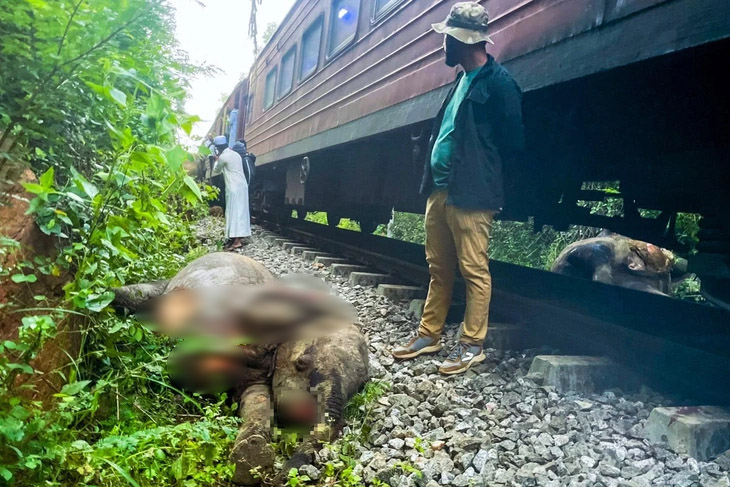
When the train finally came to a stop, the silence was overwhelming.
Six elephants had lost their lives. Among them were four young calves whose lives had barely begun. Two adult elephants also died while trying to cross with the herd, and two more survived with injuries, receiving immediate care from wildlife officers who rushed to the scene.
Fortunately, no passengers were harmed. But for the elephant family, the loss was immeasurable.
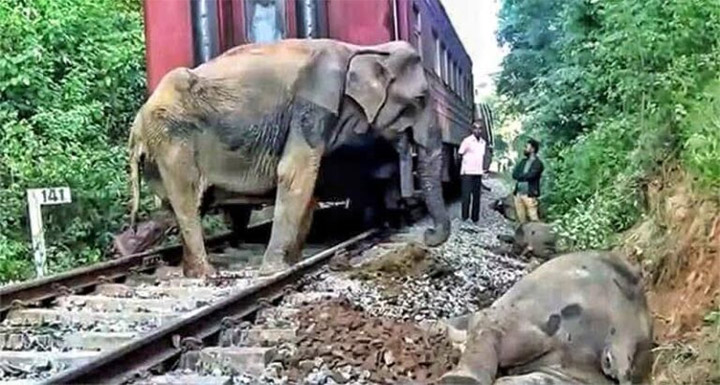
Elephants share some of the deepest family bonds found in the animal kingdom. Calves rely on their mothers and the entire herd for protection, guidance, and survival, while adults are known to grieve the loss of family members. For a herd, the death of several individuals in a single moment is not simply a reduction in numbers—it is the loss of generations, relationships, and memories carried across decades.
Incidents like this remind us that protecting elephants requires more than preserving forests. Wildlife corridors, safer railway crossings, reduced train speeds in high-risk areas, and continued cooperation between conservationists and transport authorities are all essential to helping people and wildlife safely share the landscape.
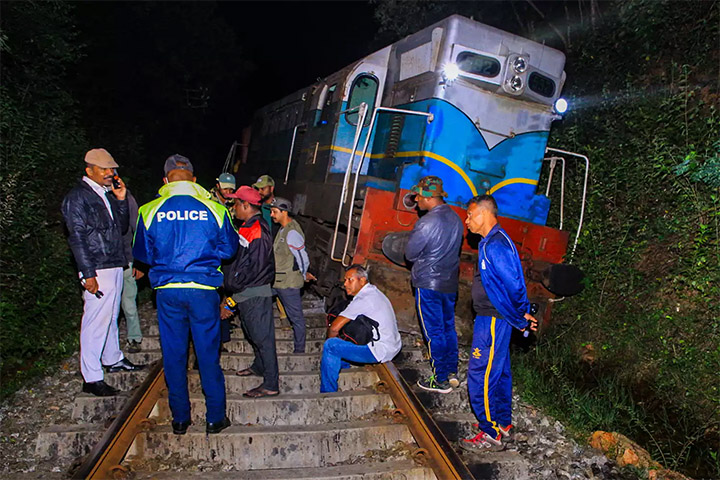
The tracks that night became more than a place of loss.
They became a powerful reminder that every decision we make about the spaces we share with wildlife can mean the difference between tragedy and survival.
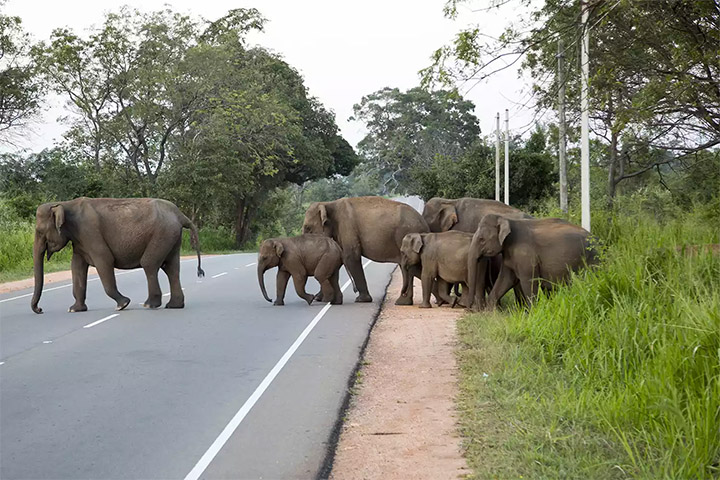
For the four baby elephants whose journey ended far too soon, the greatest tribute we can offer is to ensure that future herds are able to cross safely—together.